Urban Terrain Demands Reshaping Footwear Engineering for Runners and Cyclists in Metropolitan Training Circuits
Vera Reed · Jun 29, 2026
Urban Terrain Demands Reshaping Footwear Engineering for Runners and Cyclists in Metropolitan Training Circuits
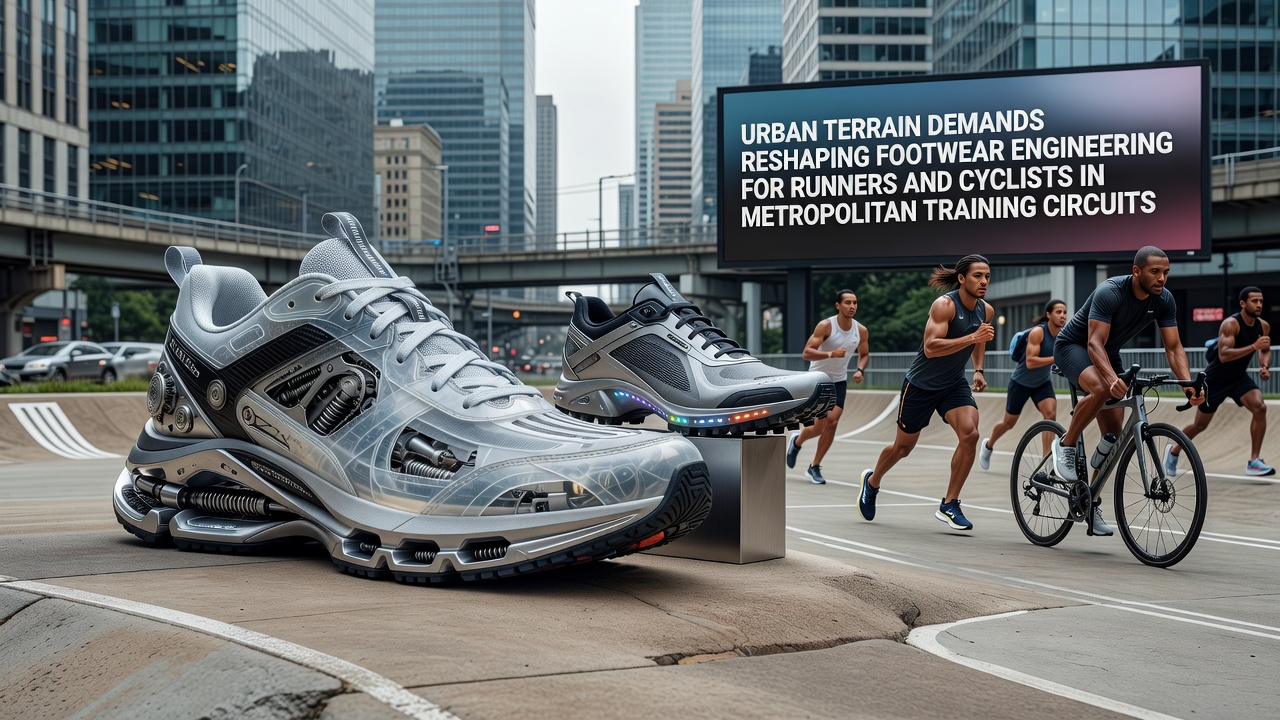
City streets and training routes introduce constant variations in surface hardness, texture, and elevation that push footwear manufacturers to refine sole constructions, midsole compounds, and upper materials for both runners and cyclists who log miles through downtown grids and suburban connectors. Concrete slabs, asphalt patches, metal grates, and curb transitions create impact patterns that differ sharply from the predictable trails or tracks used in non-urban settings, and data from metropolitan health agencies show increased reports of lower-extremity strain among athletes who train exclusively on these surfaces.
Surface Variability and Its Effects on Footwear Components
Engineers measure how repeated contact with mixed pavements accelerates wear on outsoles while transmitting higher peak forces through the foot and ankle compared with compliant natural ground. Studies conducted by transport departments in multiple regions document that city cyclists encounter frequent stops at intersections and uneven manhole covers, whereas runners face abrupt changes in camber along sidewalks and crosswalks. These conditions require outsoles with segmented rubber zones that maintain traction during wet weather yet resist abrasion from embedded grit, and midsoles now incorporate zoned foam densities that absorb vertical shock without sacrificing lateral stability during quick directional shifts at street corners.
Runner-Specific Modifications in Metropolitan Circuits
Running shoes designed for urban loops feature reinforced heel counters that counter the torque generated when athletes step off curbs at speed, and forefoot plates distribute pressure across carbon-infused layers to reduce metatarsal stress during repeated pavement strikes. Research published by Canadian universities tracking runners in Vancouver and Toronto indicates that updated cushioning geometries correlate with lower incidence of plantar fasciitis among those averaging twenty kilometers per week on city routes. Upper fabrics incorporate reflective yarns woven into the mesh so that low-light training sessions remain visible to drivers, while drainage channels in the tongue and collar allow quick drying after sudden rain showers common in dense downtown areas.
Cyclist Footwear Adaptations for Stop-and-Go Traffic
Cycling shoes for metropolitan riders integrate recessed cleat mounts that permit stable walking during dismounts at traffic lights without damaging the sole or creating slip hazards on polished stone plazas. Stiffer carbon soles transmit power efficiently on straightaways yet include flex zones near the toes that accommodate the ankle dorsiflexion required when clipping out repeatedly in congested zones. Data compiled by the European Commission on urban mobility programs in June 2026 revealed that cyclists using updated models reported fewer hot spots on the ball of the foot during commutes exceeding forty kilometers through mixed residential and commercial districts. Ventilation ports positioned along the medial side expel heat buildup that occurs when riders remain clipped in while waiting at prolonged signals.
Testing Protocols and Material Data
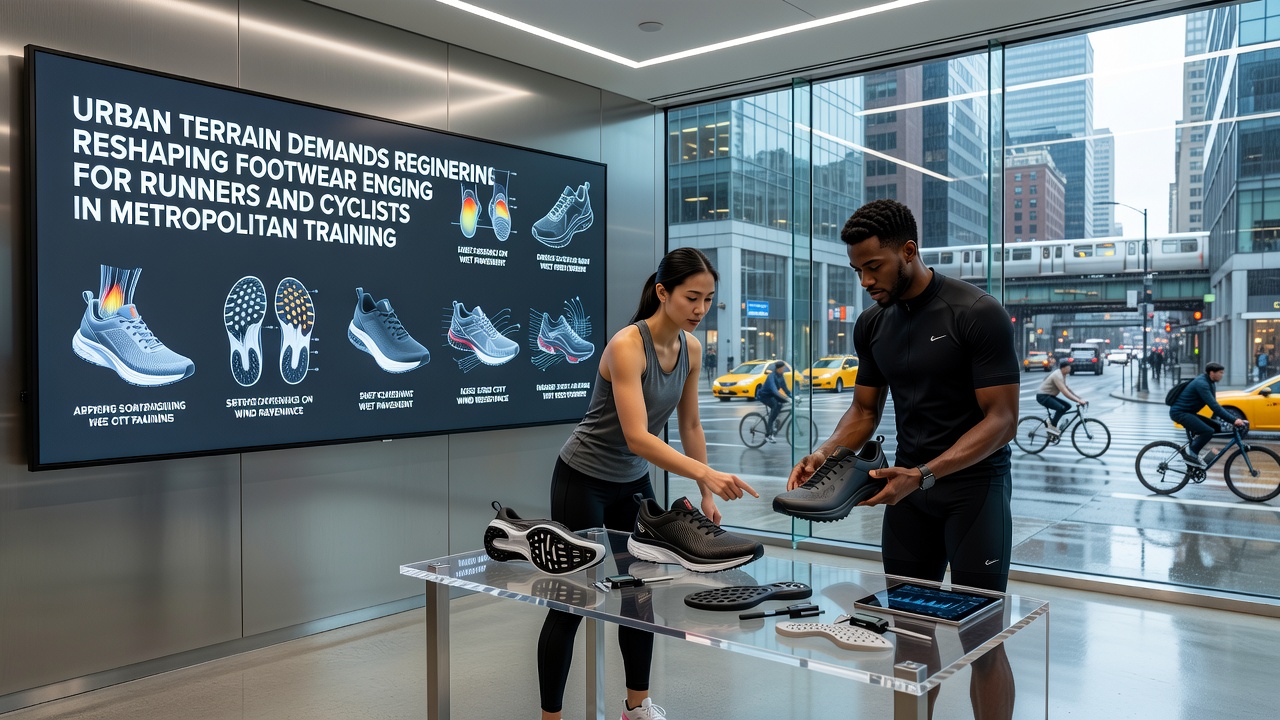
Manufacturers subject prototypes to repeated drop tests onto simulated curb edges and grated surfaces that replicate the micro-vibrations recorded by sensors embedded in shoes during actual city training sessions. According to figures released by the Australian Institute of Sport, urban-specific compounds retain 18 percent more rebound resilience after 500 kilometers of mixed-terrain exposure than standard trail formulations. These results guide iterative changes in durometer ratings so that shoes maintain consistent energy return even after exposure to road salts applied during winter months in northern cities.
Integration of Sensor Feedback and Future Iterations
Embedded pressure-mapping systems now feed real-time data from training circuits back to design teams, allowing refinement of arch support contours that accommodate the pronation shifts observed when athletes transition from smooth bike lanes to irregular brick sidewalks. Observers note that partnerships between metropolitan planning offices and footwear labs have produced limited-edition models featuring interchangeable sole inserts that adapt to seasonal changes in pavement temperature and moisture levels. Such developments align with broader infrastructure investments that prioritize protected cycling corridors and widened pedestrian zones, creating training environments where engineered footwear can deliver measurable performance consistency.
Conclusion
Metropolitan training circuits continue to drive targeted adjustments in footwear geometry, compound selection, and structural reinforcements that address the distinct mechanical demands placed on runners and cyclists navigating city infrastructure. Ongoing collaboration between research institutions, municipal agencies, and equipment developers supplies the empirical foundation for these modifications, ensuring that products released to athletes reflect documented patterns of surface interaction and injury epidemiology rather than generalized assumptions about terrain.