Prehistoric Trackways Inform Grip Designs in Today's Athletic Footwear
Jonas Schmitt · Jul 18, 2026
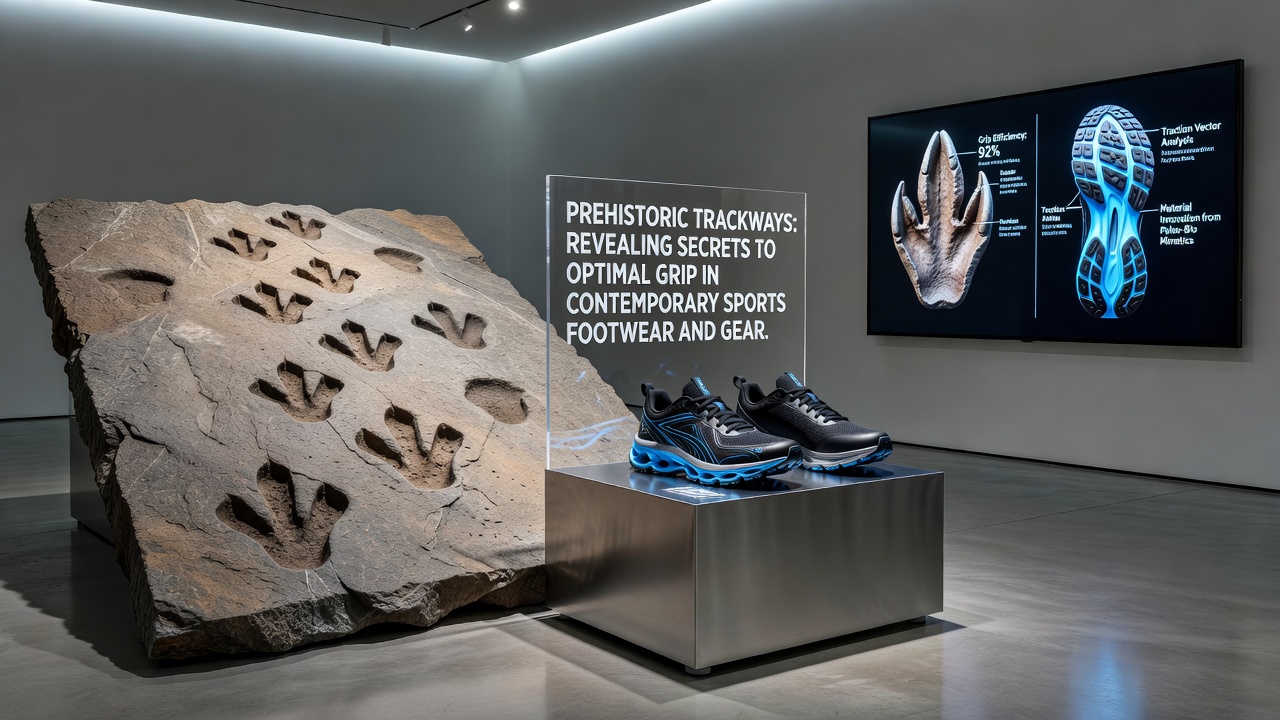
Prehistoric Trackways Inform Grip Designs in Today's Athletic Footwear
Prehistoric trackways preserve detailed records of how early animals and hominins navigated varied surfaces, and researchers continue to examine these impressions for clues about traction mechanics that apply directly to contemporary sports equipment. Studies of fossilized footprints from sites across multiple continents reveal patterns of weight distribution, surface contact angles, and slip resistance that engineers now replicate in running shoe outsoles, cycling cleats, and multi-sport training footwear. Data from these ancient records show how natural terrain interactions produced efficient grip without modern materials, and current manufacturers apply similar principles when designing lugs and rubber compounds for trail surfaces and indoor courts alike.
Trackway Analysis Methods Used in Research
Scientists employ photogrammetry and 3D scanning to capture high-resolution models of trackways, which allows precise measurement of depth variations and edge angles formed during locomotion. According to findings presented by the Australian National University paleontology group, these digital reconstructions highlight pressure zones that prevented sliding on mud or sand, and the same zones appear in optimized tread geometries for distance running shoes released in recent seasons. Researchers cross-reference trackway data with biomechanical simulations to test how slight changes in foot placement altered friction coefficients across wet and dry substrates, producing quantifiable results that translate into laboratory protocols for footwear prototypes.
Examples from Specific Fossil Sites
Trackways at the Laetoli site in Tanzania, dated to approximately 3.6 million years ago, display bipedal gait patterns where toe-off pressure created deep impressions that maintained forward momentum on loose volcanic ash, and similar toe configurations now inform the placement of flex grooves in modern trail running footwear. Canadian researchers at the University of Alberta documented dinosaur trackways in British Columbia that exhibit claw and pad arrangements suited to slippery riverbank conditions, with measurements indicating friction values that exceed those of several synthetic rubber formulations currently under evaluation for basketball court shoes. These observations feed into iterative design cycles where engineers adjust lug spacing and compound hardness to match the contact efficiency recorded in the fossils.
Translation to Contemporary Sports Gear
Footwear developers integrate measurements from trackway studies into computer-aided design software that generates outsole patterns tested for slip resistance under standardized ASTM protocols. One study released by the European Sports Engineering Association in early 2025 demonstrated that tread elements modeled on hominin toe impressions reduced lateral slip by measurable margins during cutting maneuvers, and several brands incorporated these elements into football cleats distributed for the 2025-2026 season. Cycling shoe manufacturers examine similar data to refine cleat positioning that maximizes pedal contact on varied road surfaces, while volleyball and tennis equipment suppliers apply pressure-mapping insights to midsole construction that supports rapid directional changes.
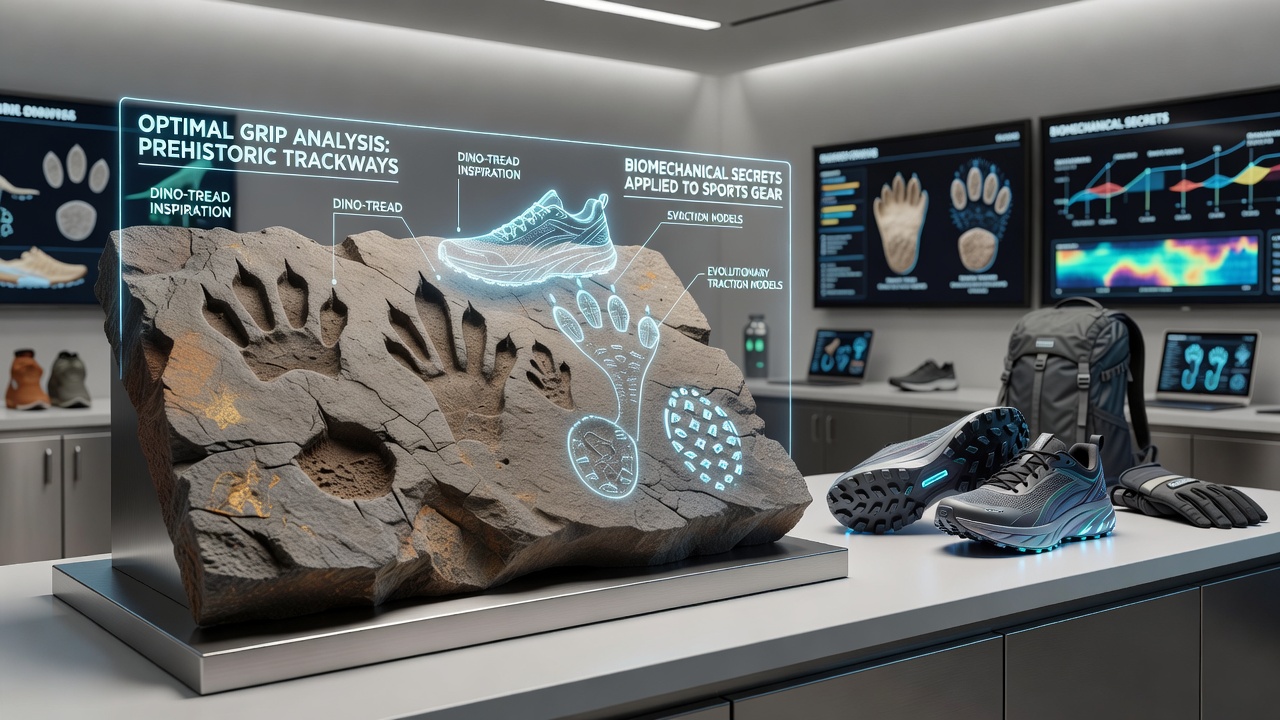
In July 2026, an international workshop hosted by the International Union of Geological Sciences plans to release comparative datasets linking additional trackway sites with performance metrics from professional athletes, which will provide updated parameters for material selection in protective handwear and aquatic training tools. These datasets include friction coefficients recorded under controlled humidity conditions that mirror environments encountered in multi-sport training rotations, and supply chain partners already reference preliminary summaries when sourcing recycled rubber compounds for upcoming product lines.
Material and Design Adaptations
Manufacturers test rubber blends against friction values derived from trackway research, selecting formulations that replicate the deformation properties observed in ancient substrates while meeting durability requirements for repeated impacts. Observers note that trail running shoes increasingly feature variable lug depths calibrated to match impression profiles from wet-clay trackways, which improves traction on root-covered paths without increasing overall weight. Similar adaptations appear in golf footwear where spike arrangements draw from theropod track measurements to maintain stability during rotational swings on damp fairways. Research indicates that these geometry adjustments correlate with reduced energy loss during ground contact phases across multiple athletic disciplines.
Testing and Validation Processes
Independent laboratories subject prototype footwear to robotic gait simulators programmed with locomotion data extracted from trackway models, producing repeatable measurements of slip distance and peak shear forces. Results from these protocols guide final production specifications and appear in technical documentation shared with regulatory bodies in the United States and Australia. Equipment suppliers also incorporate environmental aging tests that simulate long-term exposure conditions recorded in fossil preservation environments, ensuring grip performance remains consistent after extended use.
Broader Industry Applications
Protective gear developers examine trackway evidence of surface conformity to refine palm and sole textures on training gloves and aquatic fins, while racket sport manufacturers study edge angles preserved in sandstone impressions to optimize frame contact surfaces. Figures released by the Sports and Fitness Industry Association show steady growth in product categories that cite paleontological research in their design briefs, reflecting wider adoption of these data sources across global supply networks. Trade routes that historically moved specialized polymers now carry compounds calibrated against ancient friction benchmarks, supporting consistent availability for athletes in varied climates.
Conclusion
Prehistoric trackways continue to supply measurable parameters that shape grip characteristics in current sports footwear and related equipment, with ongoing studies scheduled through 2026 expected to expand the available dataset. Integration of these geological records into engineering workflows yields measurable improvements in traction performance across running, cycling, and court sports, supported by standardized testing and cross-regional research collaborations. The resulting equipment reflects direct application of ancient locomotion mechanics to modern material science without reliance on unsubstantiated assumptions.