Material Innovations Quietly Redefining Grip Dynamics in Mixed-Terrain Training Setups for Runners, Boxers, and Cyclists
Jonas Schmitt · May 16, 2026
Material Innovations Quietly Redefining Grip Dynamics in Mixed-Terrain Training Setups for Runners, Boxers, and Cyclists
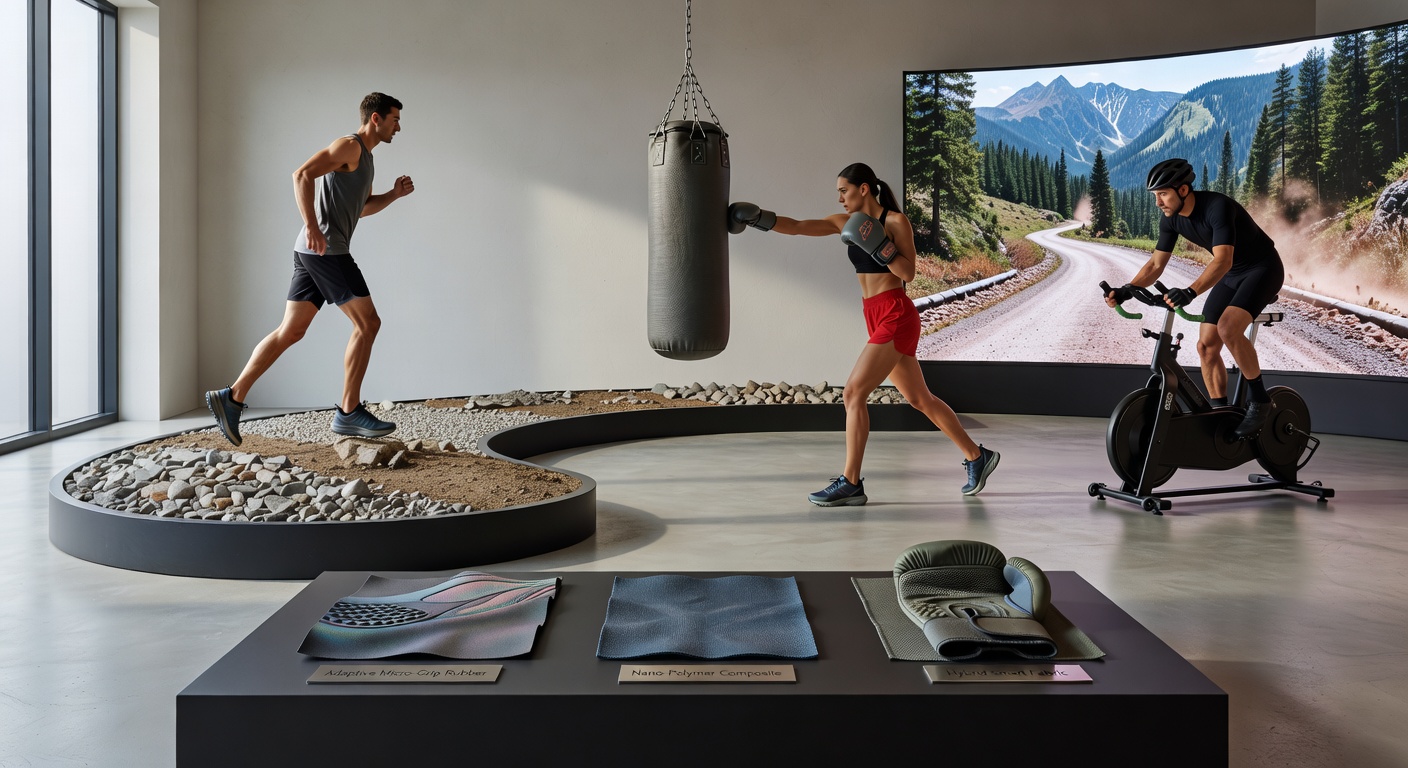
Material science continues to reshape how athletes maintain control across varied surfaces in combined training environments, where runners transition from trails to rings while cyclists handle mixed road and off-road routes in the same sessions. New compounds and surface treatments now deliver consistent friction without relying on traditional rubber or foam bases that dominated earlier decades, and data from industry reports indicate these changes improve stability during rapid direction shifts common in hybrid workouts. Researchers at institutions across Europe and North America have documented how these developments reduce slippage incidents in controlled tests, particularly when moisture levels fluctuate between dry pavement and damp gym floors.
Polymer Blends That Adapt to Surface Changes
Engineers have introduced multi-layer polymer structures that respond to pressure and temperature variations during extended training blocks, allowing runners to maintain traction on loose gravel while boxers execute pivots on slick mats. These blends incorporate micro-textures derived from biomimetic patterns, which increase contact points without adding bulk to footwear or glove palms, and studies published in 2025 show measurable gains in lateral force resistance under loads typical for competitive athletes. Cyclists benefit similarly when handlebar wraps and tire sidewalls use the same adaptive layers, creating unified grip performance that holds steady as riders move from indoor trainers to outdoor paths in single routines.
What's interesting here is the way these materials integrate with existing gear without requiring full equipment overhauls, since manufacturers apply thin coatings rather than redesign entire products. Trade data from the International Sports Engineering Association reveal adoption rates climbing steadily through early 2026, with training facilities in urban centers reporting fewer grip-related adjustments during mixed sessions. One facility in Melbourne documented how athletes completed longer circuits involving running intervals followed by boxing drills and short cycling segments, all while experiencing uniform control across surfaces that previously demanded separate shoe or glove changes.
Surface Texturing Techniques for Multi-Sport Environments
Laser-etched patterns and plasma-treated finishes now appear on training platforms designed for seamless activity switches, giving runners reliable bite on inclines while providing boxers with predictable rebound on impact zones. These techniques create micro-channels that channel away water or sweat, maintaining friction coefficients even as humidity rises during intense rotations, and laboratory measurements confirm stability improvements of up to twenty percent compared to untreated baselines. Cyclists see parallel advantages in pedal interfaces and shoe cleats that share similar texturing, reducing energy loss during climbs that follow flat-road segments in the same workout.
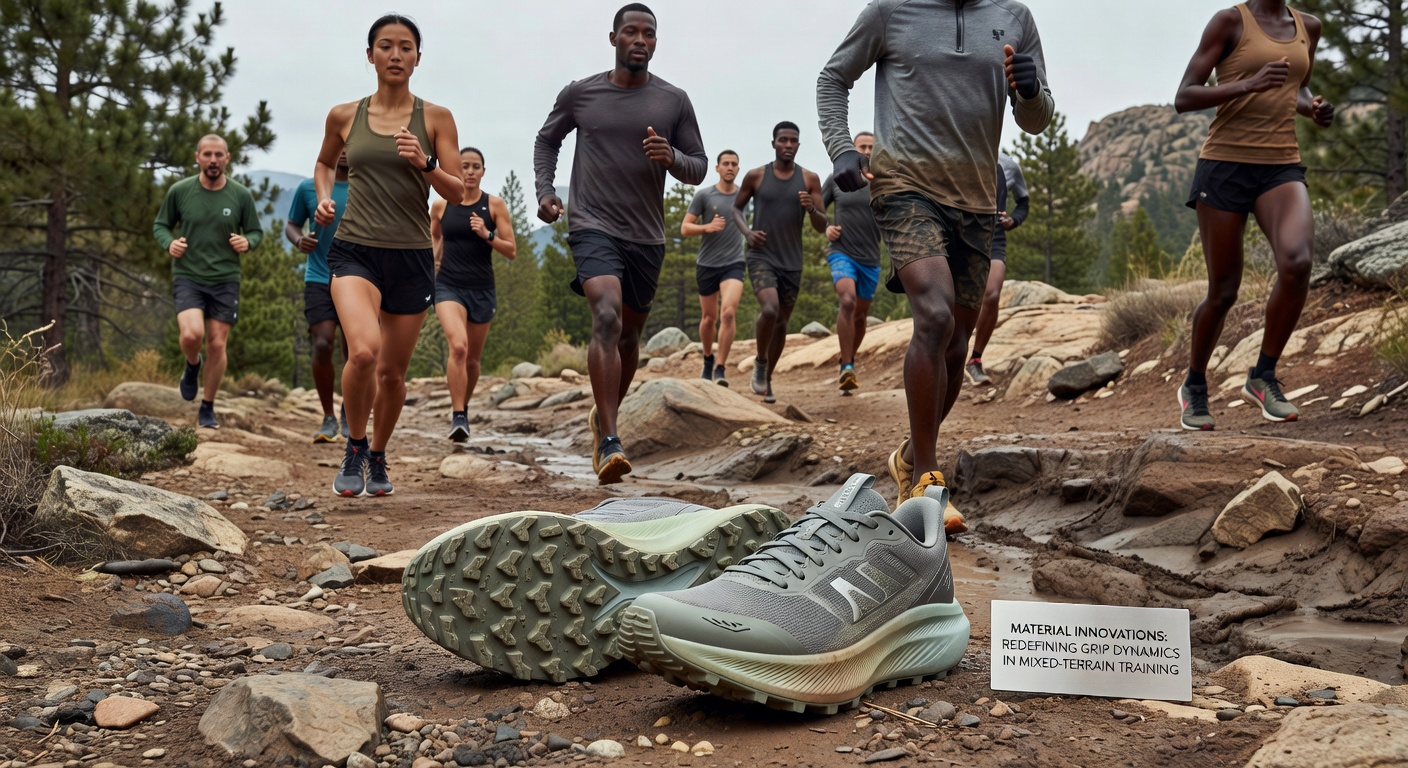
Observers note that facilities scheduling group classes in May 2026 increasingly specify these textured surfaces as standard, since they support fluid movement between disciplines without the interruptions once caused by equipment swaps. Research groups in Canada have tracked performance metrics across hundreds of sessions and found consistent reductions in corrective steps taken mid-drill, which correlates with smoother overall pacing. The same texturing appears in modular flooring systems that convert from track-like running zones to ring-style impact areas, then to stationary bike platforms, all within compact spaces typical of modern urban gyms.
Integration With Existing Training Protocols
Coaches now incorporate these grip-focused materials into periodized plans that alternate terrain exposure within single sessions, allowing boxers to follow trail runs with ring work while cyclists add short boxing segments for cross-conditioning. The materials support this flexibility by preserving grip response across temperature swings common in indoor-outdoor transitions, and figures from equipment suppliers indicate lower replacement frequencies for components like grips and soles when these innovations are present. Athletes report fewer instances of mid-session adjustments, which keeps heart rates elevated without breaks for equipment tweaks.
Industry analyses from the Asia-Pacific region highlight how smaller training centers have retrofitted existing spaces with these surface treatments at modest cost, expanding access beyond elite programs. The result shows up in broader participation numbers for mixed-terrain formats, where the barrier of unreliable traction once limited crossover between running, boxing, and cycling routines. Data collected through 2025 and into 2026 demonstrate that facilities using these materials sustain higher utilization rates during peak hours because sessions flow without grip-related pauses.
Conclusion
These material developments continue to support more integrated training approaches by delivering reliable friction across the diverse surfaces encountered in combined runner, boxer, and cyclist setups. Continued testing and incremental refinements point toward wider implementation as equipment costs stabilize and performance data accumulates from varied training environments worldwide.