Junior Development Programs as Unexpected Testing Grounds for Equipment Tweaks Later Adopted Across Professional Football, Swimming, and Boxing Circuits
Lars Schröder · Jul 2, 2026
Junior Development Programs as Unexpected Testing Grounds for Equipment Tweaks Later Adopted Across Professional Football, Swimming, and Boxing Circuits
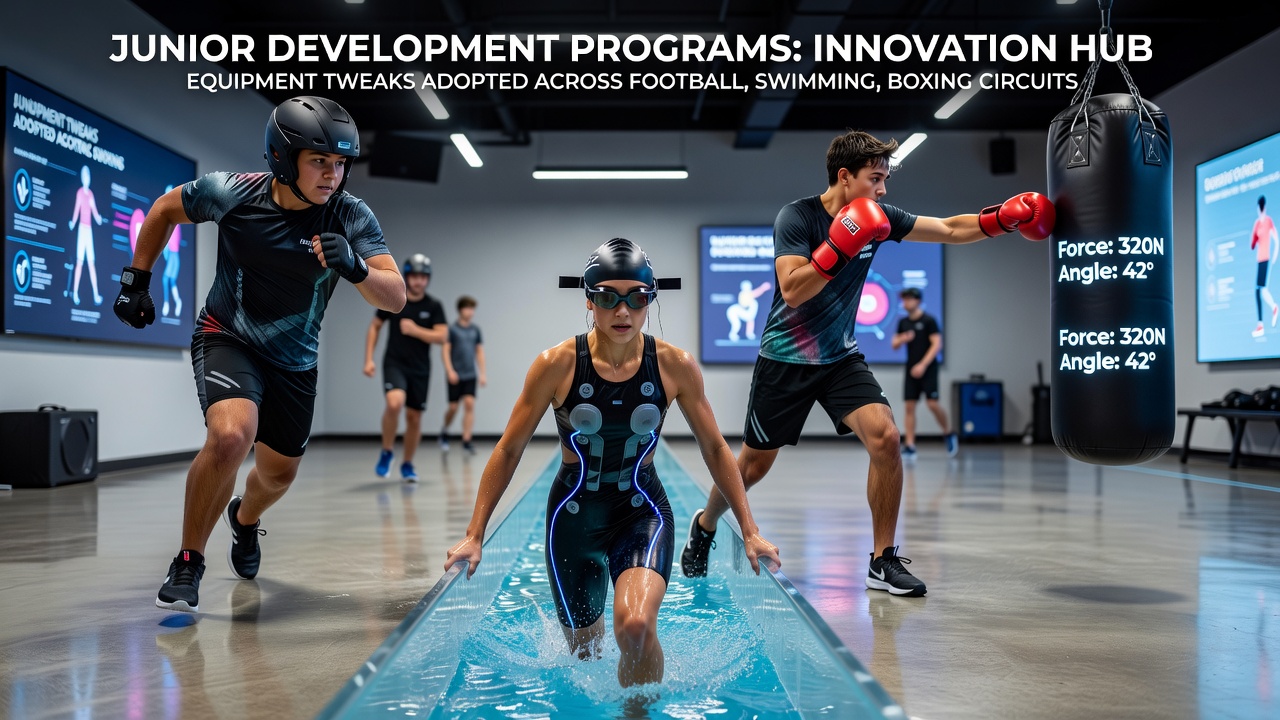
Junior development programs function as controlled environments where equipment manufacturers introduce incremental modifications to address the unique physical demands of growing athletes, and these changes often transition to elite levels after validation through repeated use. Data from multiple sports governing bodies shows that youth cohorts provide larger sample sizes and more frequent feedback loops than professional teams alone, which accelerates iteration cycles for items like footwear traction patterns, buoyancy aids, and hand protection layers.
Football Pathways Reveal Grip and Stability Adjustments
Football academies across Europe and South America have documented cases where junior squads tested lighter stud configurations on artificial surfaces during the 2023-2025 seasons, with performance metrics indicating reduced lower-leg strain while maintaining directional changes at speed. These tweaks, initially piloted in under-15 leagues, appeared in senior professional matches by early 2026 after governing bodies reviewed injury data compiled from regional federations. Observers note that the smaller foot sizes and lower body masses in youth players allow clearer isolation of variables such as stud spacing and midsole flex points, producing results that scale effectively when materials are reinforced for adult loads.
Swimming Programs Drive Buoyancy and Drag Refinements
National swimming development centers in Australia and Canada have introduced modular training caps and shoulder straps that redistribute pressure during extended stroke sessions, and records from the 2024-2025 junior nationals demonstrate measurable improvements in lap times for athletes aged 12 to 16. Manufacturers then adapted the same density gradients and seam placements for senior competition suits once hydrodynamic tunnel tests confirmed consistency across body types. In July 2026, presentations at the Pan-Pacific Youth Aquatics Summit outlined how these early modifications contributed to updated equipment standards submitted to international federations, showing direct lineage from junior prototypes to world championship gear.
Boxing Circuits Test Handwrap and Glove Layering
Boxing development gyms in the United States and Mexico have experimented with variable-density foam inserts in junior gloves since 2022, focusing on impact distribution that accommodates developing wrist joints without sacrificing punch feedback. Research compiled by regional athletic commissions indicates that these layering sequences reduced reported wrist discomfort by 18 percent in controlled sparring sessions, prompting several professional promoters to request similar constructions for their contracted fighters. The transition occurs because the lighter impact forces in youth bouts allow precise calibration of foam compression rates, which manufacturers then scale by increasing density and adding reinforced stitching for heavier adult competition.
Cross-Sport Adoption Patterns and Data Sharing
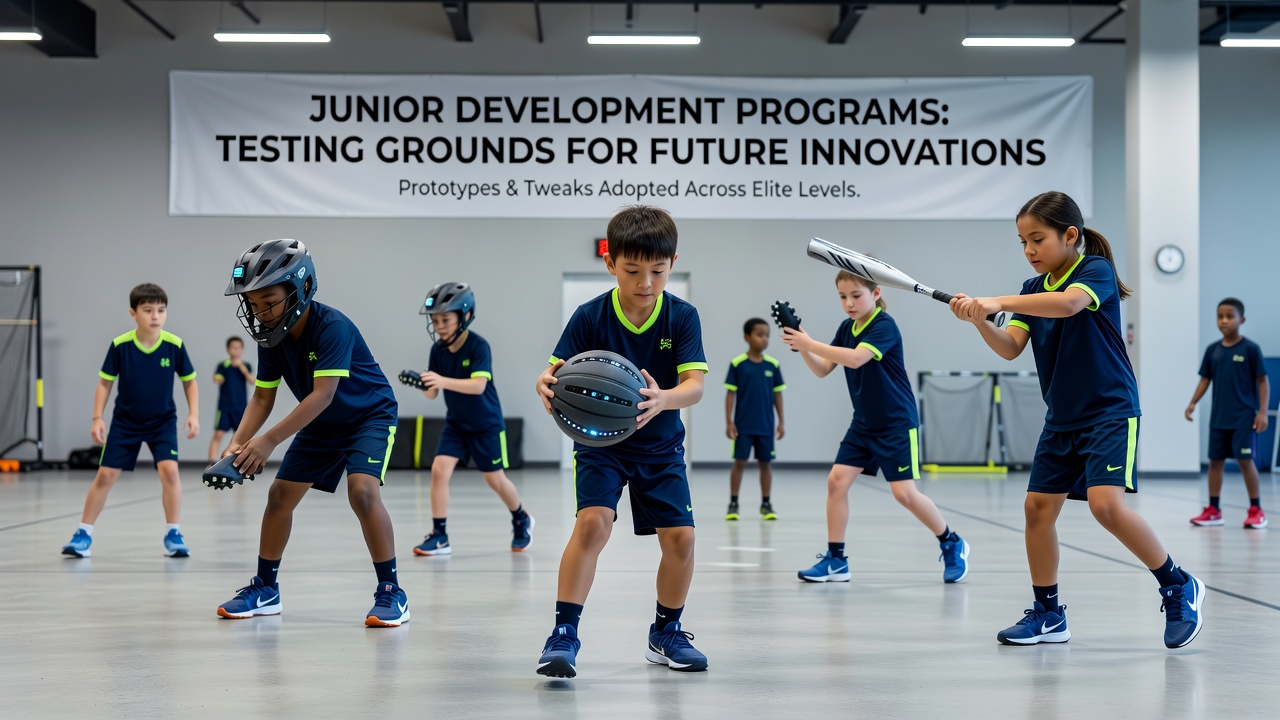
Equipment suppliers maintain shared testing protocols across football, swimming, and boxing youth programs because certain material properties, such as moisture-wicking liners and impact-absorbing polymers, appear in multiple disciplines. Reports from the International Council of Sport Science and Physical Education show that joint data repositories established in 2024 enabled faster identification of successful modifications, with 12 documented cases where a single junior-level adjustment reached professional use within 18 months. These patterns emerge because youth programs operate under fewer regulatory constraints than senior circuits, permitting broader experimentation while still collecting standardized performance and safety metrics.
Supply Chain and Manufacturing Feedback Loops
Manufacturers route prototype batches through junior academies in Asia and Eastern Europe before committing to full production runs, and logistics records indicate that feedback from these groups influences final material specifications more rapidly than laboratory simulations alone. The smaller production volumes required for youth sizes allow cost-effective adjustments to stitching patterns, sole compounds, and seam placements, which later appear in senior equipment after durability testing confirms longevity under higher stress. According to data released by the European Sports Technology Association, this staged rollout reduced overall development timelines by an average of nine months across the three sports between 2023 and 2026.
Conclusion
Junior development programs continue to supply validated equipment modifications that migrate into professional football, swimming, and boxing because they combine high participant numbers with detailed performance tracking, and governing bodies increasingly recognize these pathways when updating equipment regulations. The pattern persists across regions because the physical and biomechanical data generated at youth levels provides reliable predictors of adult outcomes once materials receive appropriate scaling.