How Virtual Simulations Refine Grip Textures and Balance Points in Tools for Racket Sports, Ball Games, and Aquatic Training
Jonas Schmitt · Jun 18, 2026
How Virtual Simulations Refine Grip Textures and Balance Points in Tools for Racket Sports, Ball Games, and Aquatic Training
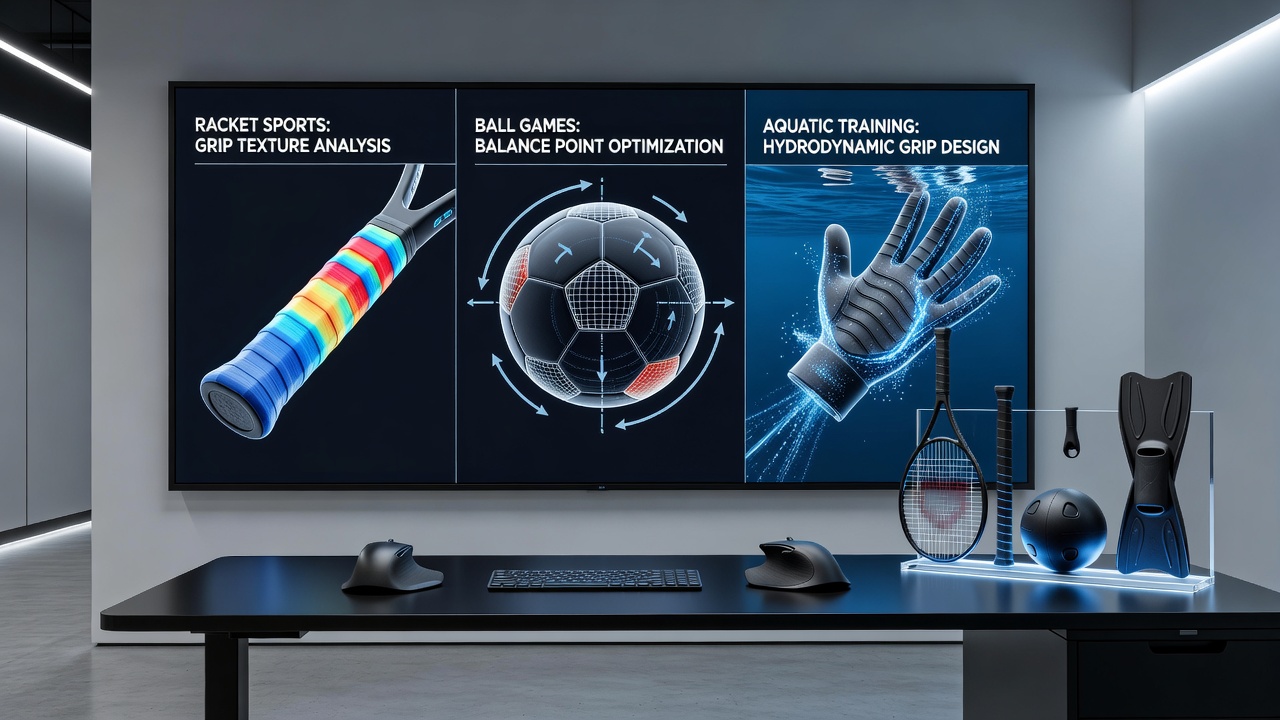
Engineers apply finite element analysis alongside computational fluid dynamics to adjust grip textures and balance points across racket handles, ball implements, and aquatic paddles, while virtual environments allow repeated testing without physical prototypes. These tools map surface friction coefficients and center-of-mass shifts in real time, producing data that guides material selections and geometric tweaks before any manufacturing begins.
Simulation Methods in Racket Equipment
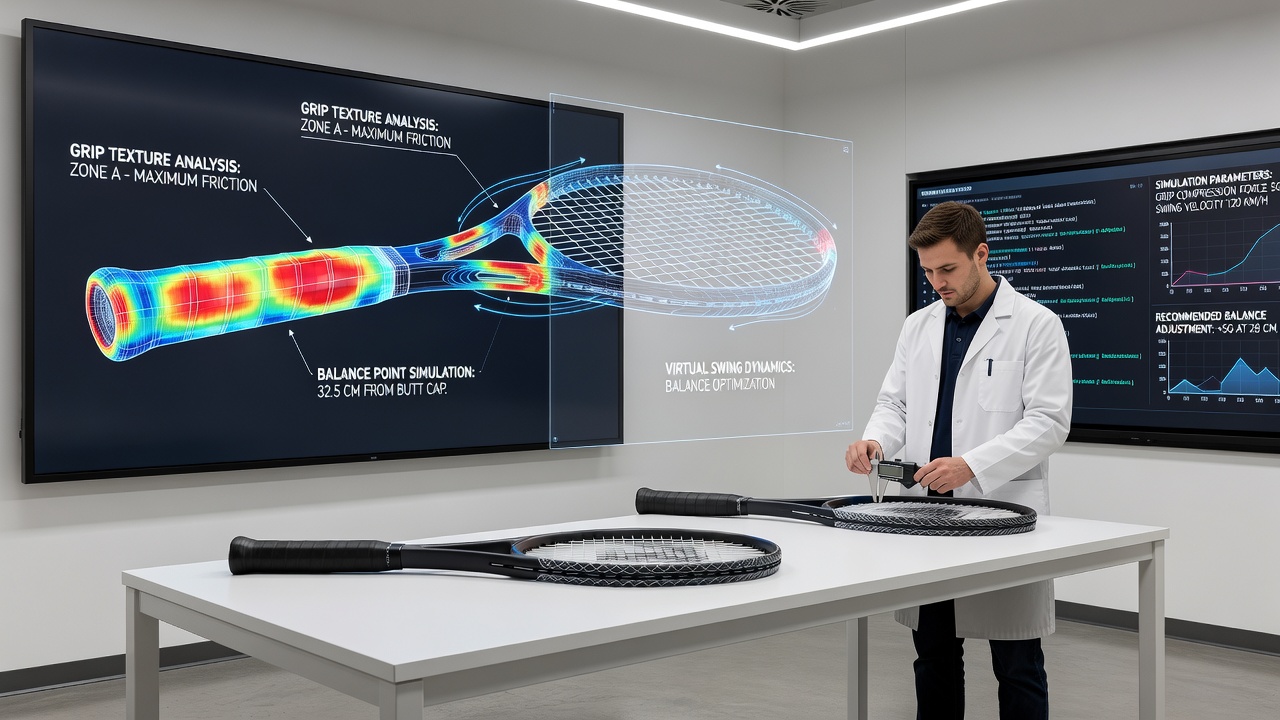
Researchers input racket frame dimensions into software packages that simulate player grip forces during forehand and backhand strokes, then vary texture patterns from micro-ridges to sandpaper-like finishes until friction values stabilize swing consistency. Balance point calculations shift as engineers modify handle weighting, and each iteration runs through thousands of virtual contact cycles that reveal how small changes affect torque and vibration transmission to the forearm. Studies from the Sports Engineering Research Group at Loughborough University have documented these workflows, showing measurable reductions in off-center hit penalties once optimized textures reach production models.
Software also incorporates player-specific anthropometric data so that simulations reflect different hand sizes and grip styles common among competitive and recreational users. Output files feed directly into CNC machining instructions, which means the transition from digital model to physical sample occurs with fewer adjustment rounds on the factory floor.
Applications for Ball Game Implements
Design teams working on basketballs, soccer balls, and baseball bats feed impact data from virtual collision models into grip surface refinements that maintain consistent tack and release characteristics across varying weather conditions. Balance adjustments appear in bat knob weighting or ball panel stitching patterns, where simulations calculate how each modification influences spin rates and flight stability after release. Observers note that these models integrate high-speed camera footage from actual matches to calibrate virtual friction coefficients, ensuring the digital environment mirrors real-world performance variables.
One project tracked how altered seam textures on baseballs affected pitcher grip security during simulated fastball deliveries, and the resulting datasets guided manufacturers toward hybrid rubber compounds that hold texture longer under repeated use. Similar processes apply to goalkeeper gloves in soccer, where palm grip simulations test multiple embossing depths against ball contact angles recorded during penalty saves.
Refinements for Aquatic Training Devices
Aquatic paddles and resistance gloves receive virtual treatment through fluid-structure interaction models that calculate drag forces while simultaneously optimizing hand placement textures for secure hold during prolonged swim sessions. Engineers adjust balance points by redistributing material density along the paddle blade, then run simulations of stroke mechanics to confirm that the center of pressure remains aligned with the athlete's natural pull path. Data collected in June 2026 from testing facilities in Australia showed that these iterations produced measurable improvements in stroke efficiency metrics when prototypes reached pool validation stages.
Virtual wave and turbulence generators inside the software replicate open-water conditions, allowing designers to examine how grip surfaces perform under choppy or current-driven environments without requiring repeated field trials. The same platforms export pressure distribution maps that inform ergonomic shaping around finger and palm contact zones, reducing slippage risks that previously required multiple physical redesign cycles.
Integration of User Feedback Loops
Virtual reality setups now place athletes inside simulated environments where they wield digital versions of rackets, bats, and paddles while motion-capture systems record grip adjustments and swing paths. Engineers overlay these recordings onto earlier physics-based models to refine texture depth and balance locations that match observed human behavior rather than purely theoretical assumptions. Research institutions in Canada and the European Union have published joint papers detailing how such hybrid approaches shortened development timelines by several months across multiple equipment categories.
Software dashboards present comparative graphs that highlight performance deltas between successive simulation runs, giving product teams clear numerical targets for each design variable. These visualizations also flag regions where excessive texture might increase blister risk or where balance shifts could alter swing timing, prompting targeted adjustments before tooling commitments.
Conclusion
Virtual simulation pipelines continue to compress the gap between conceptual grip and balance specifications and final production tools used in racket sports, ball games, and aquatic training. By combining structural analysis, fluid dynamics, and motion-capture integration, development teams achieve consistent refinements that translate into measurable on-field or in-pool outcomes across diverse athlete populations.