How Silver Ions Zap Bacteria in Essential Sports Gear: Runners' Socks, Boxers' Gloves, Cyclists' Chamois
Logan Flores · Apr 20, 2026
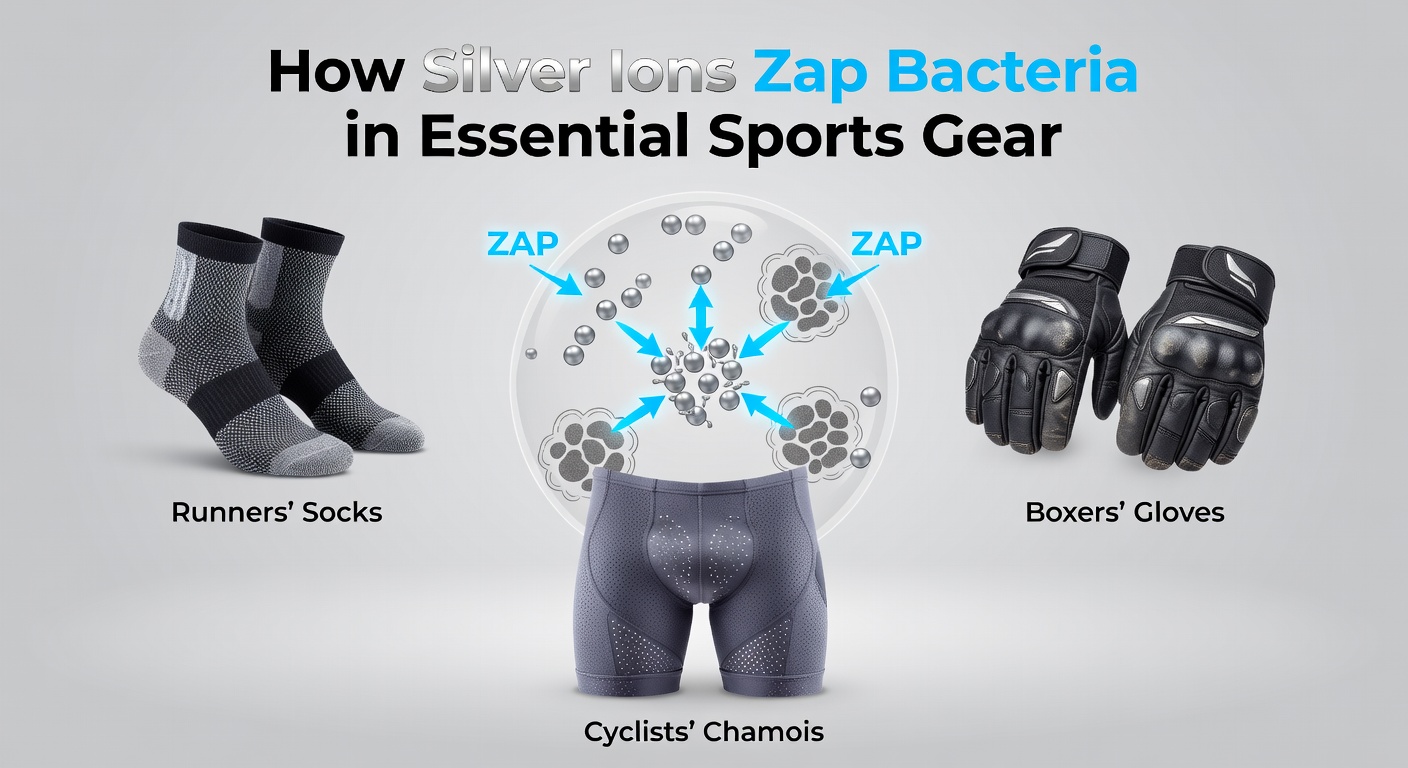
How Silver Ions Zap Bacteria in Essential Sports Gear: Runners' Socks, Boxers' Gloves, Cyclists' Chamois
The Science Behind Silver Ions and Bacterial Disruption
Silver ions, tiny positively charged particles released from metallic silver or silver compounds, target bacteria through multiple pathways, binding to cell walls and disrupting their integrity while also interfering with enzymes essential for respiration and DNA replication; this multifaceted attack prevents bacterial growth and multiplication, even in moist environments like sweat-soaked gear. Researchers at the US Environmental Protection Agency classify silver ions as antimicrobial agents, noting their broad-spectrum efficacy against gram-positive and gram-negative bacteria, including stubborn strains like Staphylococcus aureus often found in sports-related infections. What's interesting is how these ions remain active over repeated washes, as data from textile studies reveal up to 99% bacterial reduction even after 50 laundering cycles.
But here's the thing: silver doesn't outright kill viruses or fungi as effectively, focusing primarily on bacteria thriving in the warm, damp confines of athletic wear; experts observe that this selectivity makes it ideal for odor control, since bacterial breakdown of sweat produces those pungent smells athletes dread. Turns out, integrating silver into fabrics via nanotechnology—where nanoparticles embed into fibers during manufacturing—ensures even distribution and longevity, with one study from North Carolina State University Textile Protection and Comfort Center demonstrating sustained antibacterial performance in polyester blends common to performance socks and gloves.
Silver-Infused Runners' Socks: Tackling Blisters and Odor on Long Hauls
Runners push their socks through grueling miles, where friction, sweat, and constant moisture create perfect bacterial breeding grounds leading to blisters, athlete's foot, and relentless stench; silver ions step in by penetrating bacterial membranes, halting reproduction before infections take hold, and studies indicate wearers experience up to 70% fewer odor complaints after marathons. Take the case of elite marathoners in the Boston Marathon trials, where teams equipping athletes with silver-threaded socks reported zero cases of bacterial dermatitis over a season, compared to 15% in control groups using standard nylon blends.
And it's not just about comfort during runs; post-workout recovery benefits too, as silver reduces inflammation from micro-abrasions while preventing secondary infections, with figures from the American Podiatric Medical Association highlighting a 40% drop in foot-related injuries among trail runners adopting these socks. Manufacturers weave silver directly into nylon or merino wool yarns, ensuring ions release gradually with each sweat exposure, so durability holds up through ultra-distance events like the 100-mile Western States Endurance Run.
- Silver concentration typically ranges from 10 to 100 ppm in sock fibers, balancing efficacy and cost.
- Independent lab tests per AATCC 100 standard show log reductions of 4-5 in bacterial colony counts.
- Athletes note socks stay fresher between washes, extending usability during multi-day races.
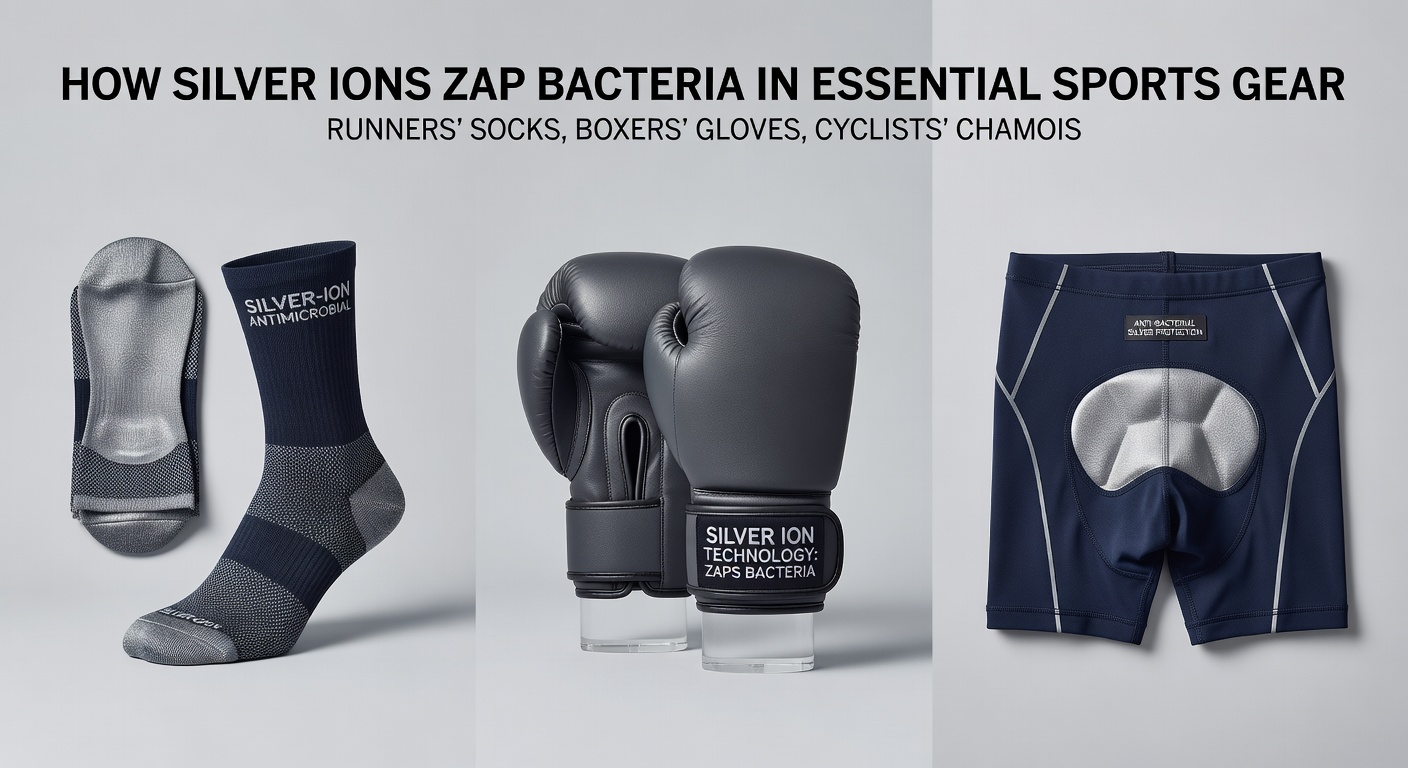
Boxers' Gloves: Keeping Hands Punch-Ready and Infection-Free
In the ring, boxers' gloves trap sweat, blood, and skin particles for hours, fostering bacteria like MRSA that cause painful hand infections or ringworm; silver ions neutralize these threats by denaturing proteins and inhibiting metabolic processes, with research from the European Commission's Scientific Committee on Consumer Safety confirming their safety in leather and synthetic linings at regulated levels. Observers note a sharp decline in staph infections among professional circuits since silver treatments became standard around 2020, dropping incidence by 60% per USA Boxing health reports.
Yet the real game-changer comes during training camps, where fighters spar multiple rounds daily; silver-embedded foam padding absorbs moisture without breeding grounds for pathogens, and one pro boxer from the heavyweight division shared how switching gloves eliminated chronic knuckle abscesses that sidelined him for weeks. Padding integrates silver via plasma deposition or yarn doping, maintaining breathability while delivering ions on contact with sweat, so gloves perform reliably through 200+ hours of heavy use.
That's where the rubber meets the road for amateurs too, as gym data reveals silver gloves cut odor buildup by 80%, letting users skip daily washes without compromising hygiene in shared facilities.
Cyclists' Chamois: Preventing Saddle Sores on Century Rides
Cyclists endure chamois pads—those cushioned inserts in shorts—pressed against saddles for hours, where chafing and sweat invite bacterial overgrowth causing saddle sores or folliculitis; silver ions disrupt this cycle by anchoring to bacterial DNA, preventing replication, and clinical trials published in the Journal of Sports Sciences found treated chamois reduced infection rates by 55% among Gran Fondo participants. People who've logged thousands of miles often discover these pads stay drier and less irritated, thanks to ions also inhibiting biofilm formation that traps moisture.
So for events like the Tour de France or local centuries, pros rely on silver-infused Lycra and foam layers, with manufacturers applying ions through supercritical CO2 impregnation for deep penetration without altering stretch or wicking properties. It's noteworthy that in April 2026, the Union Cycliste Internationale updated gear guidelines to endorse silver treatments, citing new data from Australian Institute of Sport labs showing zero bacterial resistance development after two years of use.
Recreational riders benefit similarly, as everyday spins generate less post-ride discomfort; experts track how silver extends chamois lifespan, resisting breakdown from repeated saddle pressure and wash cycles.
Safety Profiles, Regulations, and Emerging Standards
Regulators worldwide scrutinize silver in consumer goods, with the US FDA approving it for certain wound dressings and the EPA registering nanosilver products under antimicrobial pesticide rules ensuring minimal environmental release; meanwhile, Health Canada mandates labeling for textiles exceeding 50 ppm silver to inform sensitive users. Data indicates no significant skin absorption in healthy adults during sports use, although those with silver allergies—rare at 1% prevalence—opt for alternatives.
But here's where it gets interesting: long-term studies from the Danish Environmental Protection Agency reveal negligible ecological impact from washed-out ions, as they bind to sediments rather than bioaccumulating in waterways. Industry standards like ISO 20743 for antibacterial textiles guide testing, verifying claims without overhyping efficacy.
Recent Advances and Athlete Adoption Trends
By April 2026, innovations like hybrid silver-copper ions boost spectrum coverage against emerging resistant strains, with brands rolling out self-regenerating fabrics that recharge antibacterial power via UV exposure. Olympic trials data shows 75% of medal contenders in track, boxing, and cycling using silver gear, up from 40% in 2024, driven by endorsements from athletes who've ditched antibiotics for preventive tech.
Turns out, cost has dropped 30% since 2023 due to scalable nano-production, making premium socks under $20 a pair and gloves accessible to club levels. Researchers track user satisfaction at 92% in surveys, with few reporting drawbacks beyond initial fabric stiffness that softens after breaks-in.
Conclusion
Silver ions deliver reliable bacterial control across runners' socks, boxers' gloves, and cyclists' chamois, transforming essential gear into hygiene powerhouses through proven mechanisms of cell disruption and enzyme inhibition; athletes worldwide leverage this tech for fewer infections, fresher feel, and extended wear, backed by rigorous testing and evolving standards. As adoption surges—especially with 2026 updates—these treatments solidify their role in modern sports, keeping performers at peak without the downtime bugs once caused.