How Cultural Heritage Influences Material Sourcing for Protective and Performance Gear in Global Training Circuits
Lars Schröder · Aug 6, 2026

How Cultural Heritage Influences Material Sourcing for Protective and Performance Gear in Global Training Circuits
Global training circuits for combat sports, endurance events, and multi-discipline competitions draw materials from supply networks shaped by centuries-old cultural practices, and these connections determine which resources reach manufacturers in August 2026. Communities in specific regions maintain traditional knowledge about plant fibers, animal hides, and mineral treatments that now feed into protective padding, footwear reinforcements, and impact-resistant layers used by athletes worldwide.
Regional Traditions Guiding Fiber and Hide Selection
Japanese heritage techniques for processing washi paper and silk continue to inform linings in headgear and handwraps, where the natural tensile strength and moisture-wicking properties align with requirements for repeated high-intensity sessions. Artisans in Kyoto prefecture still apply methods documented since the Edo period, and these processes supply specialized workshops that export to European and North American equipment brands. Meanwhile, Mongolian practices of treating horsehide for durability appear in outer shells of training vests and shin guards, because the resulting material resists abrasion during prolonged contact drills without synthetic coatings.
African communities in Kenya and Ethiopia have long sourced sisal and other drought-resistant plants for cordage and woven supports, and these fibers now appear in the structural elements of footwear uppers designed for trail circuits. Local cooperatives document harvesting cycles that match seasonal growth patterns, which helps stabilize availability for factories producing gear shipped to international training hubs. Observers note that such sourcing routes reduce reliance on imported synthetics in certain product lines.
Indigenous Knowledge Systems and Modern Sourcing Protocols
Indigenous groups in Canada and Australia maintain records of plant-based tannins and resins used historically for waterproofing and flexibility, and these compounds enter contemporary formulations for glove interiors and joint braces. A collaborative project between the University of British Columbia and Australian research institutions has catalogued how eucalyptus-derived extracts enhance breathability in layered fabrics, data that manufacturers reference when selecting components for multi-sport rotations. These protocols emphasize traceability from harvest sites to finished equipment.
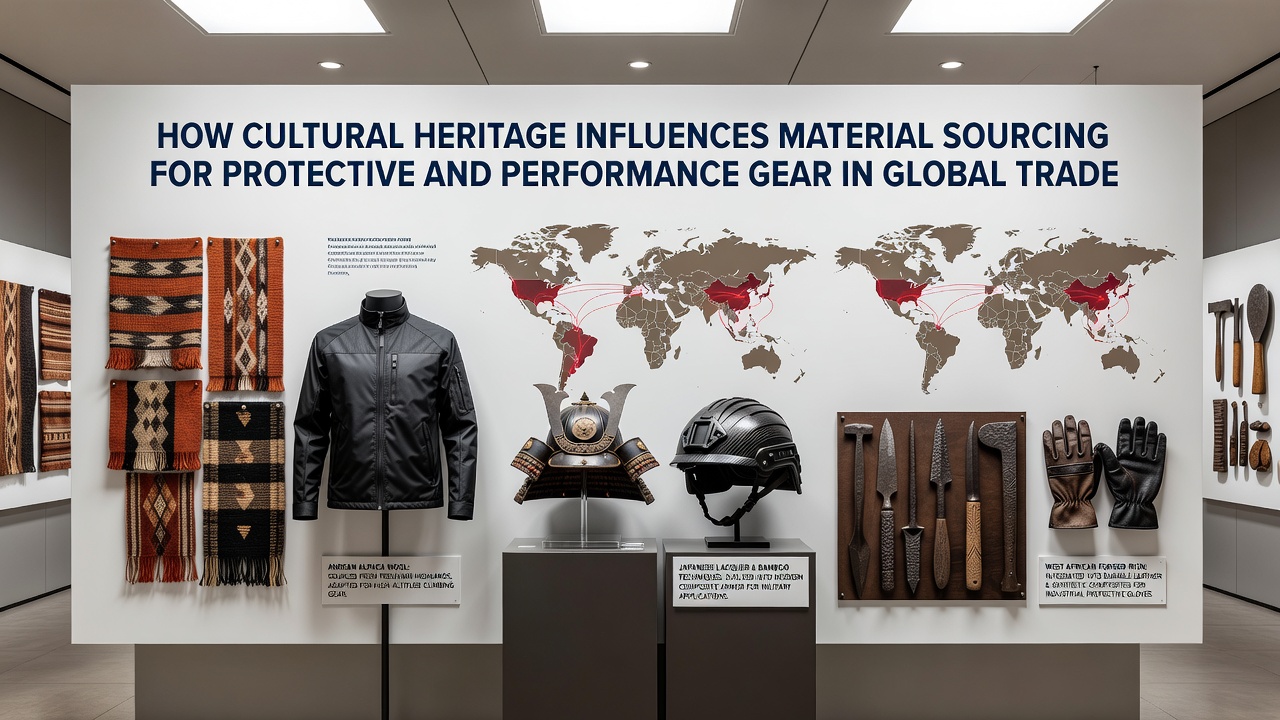
Artisans in Andean regions of South America continue traditional llama and alpaca wool processing that yields insulation layers for cold-weather training apparel, and the resulting textiles integrate into protective vests worn during high-altitude cycling and running camps. Supply chains originating from these areas often include community verification steps that align with international standards for ethical material acquisition.
Integration into Worldwide Competition Networks
Equipment designers at facilities serving the Olympic training calendar and professional boxing circuits incorporate these heritage-derived materials after laboratory validation of impact absorption and longevity, and testing data from August 2026 sessions show consistent performance metrics across batches sourced through traditional channels. European regulatory frameworks, including those administered by the European Chemicals Agency, require documentation of origin and treatment methods, which encourages suppliers to preserve cultural harvesting practices while meeting safety thresholds.
Trade routes that once carried raw hides and fibers between continents now support specialized contracts between regional cooperatives and large-scale fabricators, and this continuity appears in the consistent use of certain plant-based reinforcements in footwear designed for mixed-terrain events. Studies compiled by the International Council of Museums link these patterns to broader preservation efforts that maintain both material quality and cultural continuity.
Supply Chain Adaptations and Verification Practices
Manufacturers track batches through digital ledgers that record the cultural origin of each component, and this documentation satisfies requirements from athletic federations that oversee global circuits. In practice, a single pair of training gloves might combine Mongolian horsehide panels with Japanese silk linings and Andean wool padding, each element arriving via established heritage networks rather than commodity markets. Verification audits conducted in 2026 confirmed that these combinations maintain structural integrity under repeated stress tests.
Regional weather influences documented by meteorological agencies in multiple countries further guide seasonal sourcing decisions, since humidity levels affect how traditional tannins cure hides and how plant fibers retain flexibility. Suppliers adjust procurement schedules accordingly to ensure consistent delivery to factories serving training centers in diverse climates.
Conclusion
Cultural heritage continues to shape material availability for protective and performance gear through established processing methods, documented harvesting cycles, and community-based verification systems that feed directly into global supply lines. These influences appear in the specific fibers, hides, and treatments selected for equipment used across training circuits, and ongoing documentation efforts by academic and regulatory bodies track their integration into contemporary production. Data from multiple regions illustrate how these connections persist alongside modern testing and distribution requirements.