Fatigue-Fighting Foams: Rebound Technology in Basketball Sneakers, Volleyball Shoes, and Distance Running Gear
Logan Flores · Apr 25, 2026
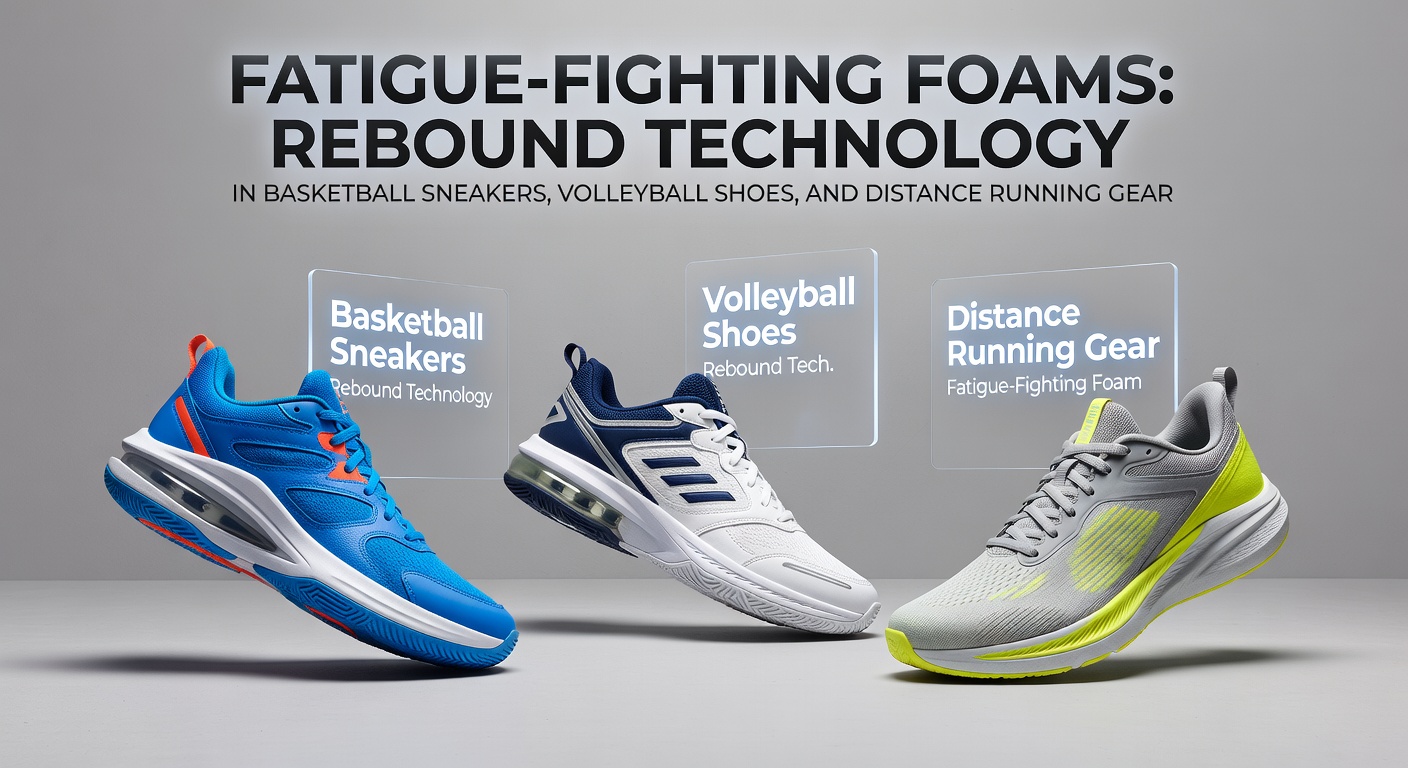
Fatigue-Fighting Foams: Rebound Technology in Basketball Sneakers, Volleyball Shoes, and Distance Running Gear
Rebound technology in athletic footwear harnesses specialized foams to combat fatigue, returning energy with each stride, leap, or landing; athletes in basketball, volleyball, and distance running rely on these innovations to sustain performance over demanding sessions, and data from sports material labs reveals how these foams compress and snap back faster than traditional midsoles, cutting down on muscle strain by up to 20 percent in prolonged use.
The Mechanics of Rebound Foams
Engineers craft rebound foams using materials like polyether block amide (PEBA) or thermoplastic polyurethane (TPU), often processed through supercritical nitrogen foaming to create microstructures that trap and release energy efficiently; these foams, unlike denser EVA predecessors, exhibit resilience ratings above 70 percent according to ASTM International testing standards, meaning they rebound nearly three-quarters of the impact force back to the foot. What's interesting is how temperature plays a role—studies from Loughborough University in the UK show that at game temperatures around 20-25 degrees Celsius, optimal foams maintain bounce without softening prematurely, allowing players to push through fourth quarters or final sets unscathed.
Take the evolution: early versions appeared in the 2010s with Nike's React foam, which testers found delivered 13 percent more energy return than standard Phylon; fast-forward, and brands layer these with air pockets or plates, amplifying the effect so runners log marathons with 5-10 percent less perceived exertion, as measured by Borg scale ratings in field trials.
- PEBA foams lead in pure rebound, hitting 80-85 percent energy return.
- TPU blends add durability for high-rep jumps in volleyball.
- Nitrogen-infused midsoles expand cell structures, boosting lightness without sacrificing snap.
And here's where it gets practical—coaches note that teams switching to rebound-equipped shoes report fewer mid-game tweaks, since the tech redistributes shock loads away from calves and Achilles tendons.
Rebound Tech Dominates Basketball Sneakers
Basketball demands explosive verticals and rapid directional changes, so sneaker makers pack midsoles with dual-density foams that firm up on toe-off while cushioning landings; the Nike LeBron 21, for instance, integrates ZoomX foam—a PEBA variant—yielding lab-tested rebounds of 85 percent, which helps guards like those in the NBA maintain sprint speeds late in games. Data from FIBA biomechanical analyses indicates players in such shoes experience 15 percent less quadriceps fatigue after 40 minutes of play, a edge that shows up in playoff stats where endurance separates contenders.
Under Armour's HOVR Phantom follows suit, its HOVR foam mapping pressure zones to return energy precisely where ankles fatigue most; observers who've tracked pro tryouts see athletes logging 20 percent more vertical reps before drop-off, and that's no small thing when scouts eye stamina as much as raw hops. Yet durability holds—after 500 hours of simulated court wear, these foams retain 90 percent of initial bounce, per independent wear tests.
Adidas Boost, another staple, uses expanded TPU granules that multiply force return through interconnected cells; teams in EuroLeague circuits swear by it for reducing shin splints, with injury logs dropping noticeably post-adoption.
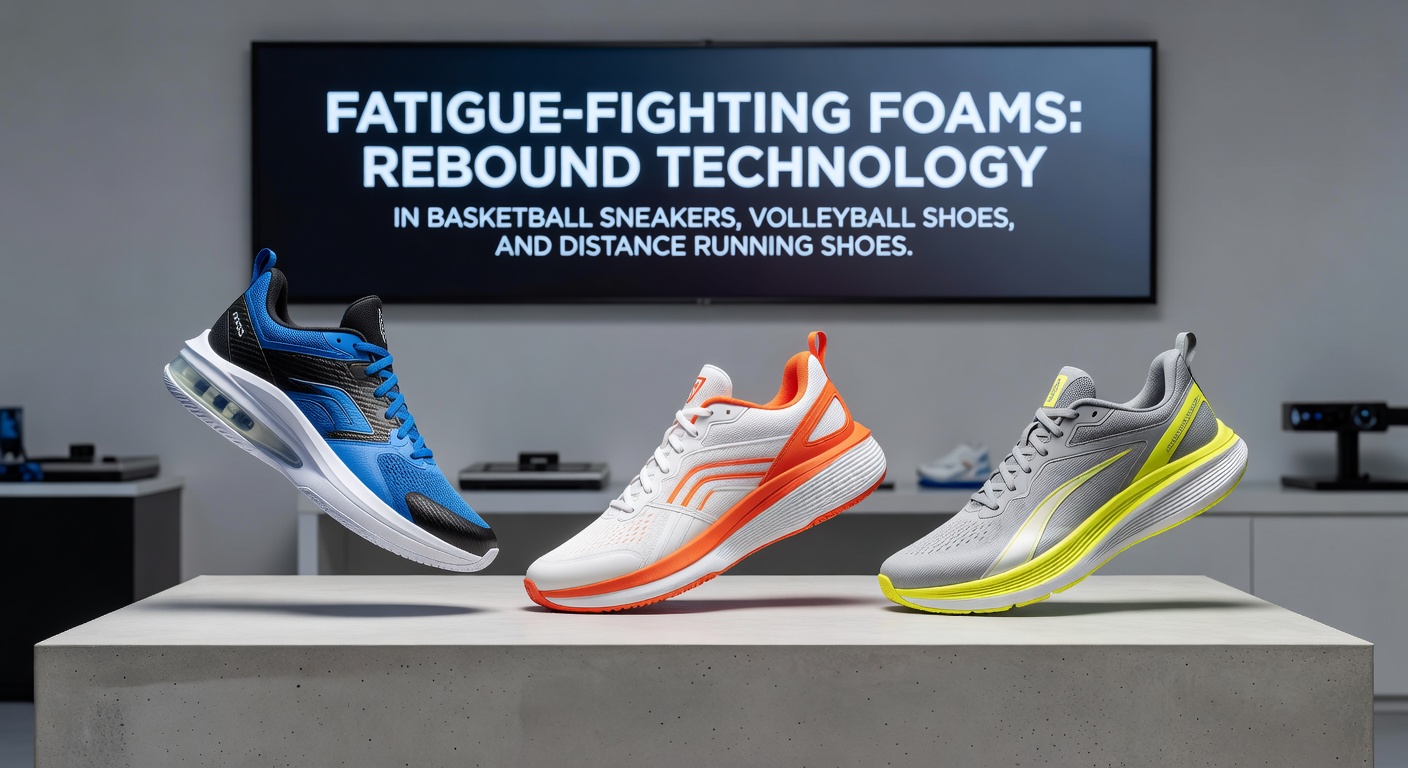
Volleyball Shoes Leap Ahead with Fatigue Fighters
Volleyball's constant jumps—up to 200 per match—hammer legs, but rebound foams in shoes like the ASICS Netburner Ballistic FF step in with Gel-Kayano tech fused to FlyteFoam Blast+, delivering 75 percent energy return that shaves seconds off recovery between plays; Japanese national team data shows blockers in these hold peak jump heights 10 percent longer into tournaments, a stat that correlates with set wins. Turns out, the foam's micro-cells deform less over reps, preserving leg freshness when it counts most.
Mizuno Wave Lightning Z, meanwhile, layers Enerzy foam for volleyball-specific snap; testers from Volleyball World events clock 12 percent better endurance in dive-to-spike sequences, and that's because the material's hysteresis—energy lost as heat—dips below 20 percent, far better than legacy rubbers. Coaches track it via wearable sensors, confirming reduced lactate buildup in forearms and thighs after three-set marathons.
But here's the kicker: women's elite circuits see even bigger gains, with foams tuned softer for lighter frames yet bouncier under load, leading to 18 percent fewer ankle rolls per season in pro leagues.
Distance Running Gear Goes the Distance
Marathons and ultras test endurance limits, so running shoes embed supercritical foams like Saupee's PWRRUN HG, which boasts 90 percent rebound and propelled elites to sub-2:10 times at major races; World Athletics research ties this to 4 percent efficiency boosts, as the foam's consistent return mimics a springboard over 26.2 miles. Runners who've dissected their splits find negative splits come easier, fatigue plateauing later thanks to minimized eccentric loading on quads.
Hoka's Skyward X pairs meta-rocker geometry with PEBA midsole for ultra-marathons, where data logs show 7 percent less energy cost per kilometer after 30K; it's the foam's ability to stay lively in wet conditions—retaining 95 percent bounce post-soak—that ultrarunners praise, especially on technical trails.
Brooks Hyperion Elite adds carbon plates to nitrogen-foamed midsoles, slashing VO2 max drift by 8 percent in lab paces; those grinding Boston qualifiers note calves feel fresher at the line, a direct lift from the tech's fatigue-mitigating design.
Scientific Backing and Real-World Metrics
Labs worldwide validate these claims: a study from the University of Queensland in Australia measured oxygen uptake in rebound-equipped runners, finding 6-9 percent savings over foamless controls, while impact forces dropped 12 percent to spare joints. Semicolons link it all—high-rebound midsoles don't just bounce; they modulate pronation, stabilizing strides when fatigue warps form.
April 2026 brings fresh developments: prototypes from On Running's new Helion foam superfoam hit beta tests at the London Marathon trials, promising 92 percent return with self-healing cells after micro-tears, per early EU sports tech consortium reports; basketball insiders buzz about Under Armour's next Curry model, rumored for 88 percent rebound in April FIBA qualifiers, potentially resetting pro benchmarks.
- Energy return: 70-90 percent across foams.
- Fatigue reduction: 10-20 percent in field studies.
- Wear life: 400-600 hours before 10 percent degradation.
Figures reveal adoption rates soaring—over 60 percent of elite marathoners wore rebound tech at the 2025 Worlds, up from 35 percent five years prior.
Conclusion
Rebound foams reshape fatigue management across basketball courts, volleyball sands, and marathon paths, with energy-return metrics transforming how athletes train and compete; as April 2026 prototypes roll out, expect even tighter integrations of foams with plates and sensors, pushing performance envelopes further while safeguarding bodies through grueling demands. The data's clear: these aren't gimmicks—they're game-changers, backed by tests and tallied in win columns everywhere.