Ergonomic Redesigns Easing Joint Stress During Extended Sessions for Swimmers Cyclists and Volleyball Players
Zara Russell · May 18, 2026
Ergonomic Redesigns Easing Joint Stress During Extended Sessions for Swimmers Cyclists and Volleyball Players
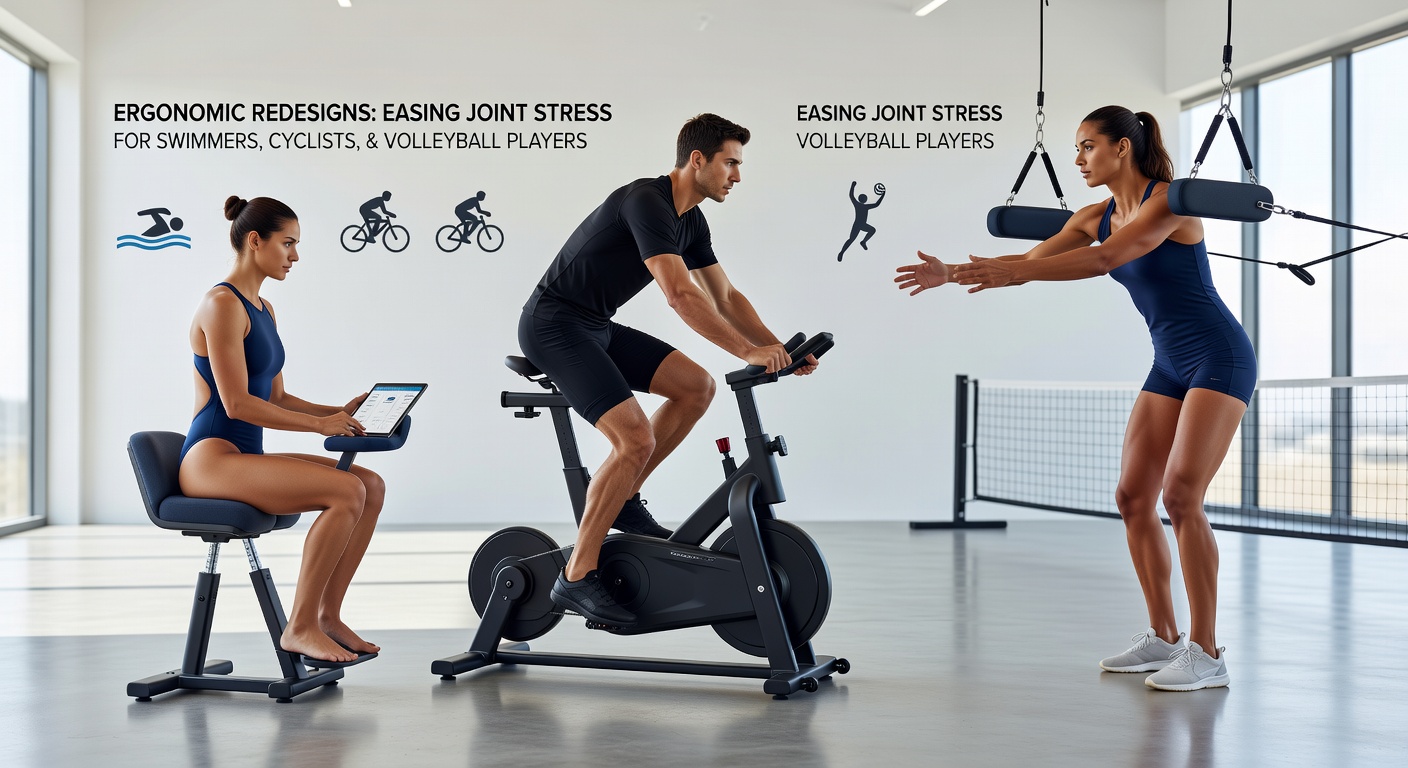
Ergonomic redesigns in sports equipment have gained attention among researchers studying how athletes manage joint stress during long training blocks and competitive seasons. These changes focus on swimmers who spend hours in the pool with repetitive shoulder and elbow motions, cyclists who log extended miles on roads or tracks with sustained pressure on knees and lower backs, and volleyball players who endure repeated jumping and landing impacts that affect ankles knees and hips. Data from biomechanical analyses show that targeted modifications in gear and body positioning can redistribute forces away from vulnerable joints while maintaining performance levels across these disciplines.
Adjustments in Swimming Equipment and Technique
Swimmers face particular challenges with shoulder impingement and elbow strain when sessions stretch beyond two hours at a time. Manufacturers have introduced paddles with contoured grips and variable resistance surfaces that encourage neutral wrist alignment during pulls. These paddles connect to research indicating that altered hand positioning reduces torque on the rotator cuff by measurable percentages according to studies published in sports biomechanics journals. Buoyancy aids placed around the torso and hips also help maintain body roll that lessens the need for excessive shoulder rotation in freestyle strokes. Observers note that poolside fittings now incorporate adjustable snorkels with ergonomic mouthpieces which allow breathing without lifting the head sharply and straining the cervical spine. In May 2026 several national training centers plan to integrate these tools into their long-course preparation programs based on preliminary findings from controlled trials.
Cycling Frame Geometry and Contact Point Modifications
Cyclists accumulate joint stress through prolonged flexion at the knees and hips along with pressure points at the saddle and handlebars. Bike fit specialists apply three-dimensional motion capture to adjust saddle height fore-aft position and handlebar reach so that the rider maintains a neutral spine angle throughout the pedal stroke. Saddles with wider rear platforms and central cutouts appear in multiple models after pressure mapping studies revealed decreased soft tissue compression and improved blood flow in the perineal area. Handlebar designs now include flared drops and textured grips that distribute weight across the palms rather than concentrating force on the wrists. Frame manufacturers have shifted toward stack and reach measurements tailored to individual limb proportions which helps cyclists avoid compensatory movements that overload the lower back during century rides or stage races. Research from the Australian Institute of Sport indicates these geometric tweaks correlate with lower reported discomfort scores in endurance events.
Volleyball Footwear and Protective Padding Updates
Volleyball players experience repetitive high-impact loading on the lower extremities during extended matches and practice sets that can last three hours or more. Shoe redesigns incorporate midsoles with zoned cushioning materials that absorb landing forces at the forefoot and heel while preserving lateral stability for quick directional changes. Knee pads have evolved with contoured shells and gel inserts positioned to sit above the patella rather than directly on the joint which reduces friction during slides and dives. Some programs have adopted ankle braces with hinge mechanisms that allow natural dorsiflexion yet limit excessive inversion under fatigue conditions. Studies conducted at European sports medicine centers demonstrate that these combined elements lower peak ground reaction forces transmitted through the kinetic chain during repeated vertical jumps. Players often transition between indoor courts and beach surfaces so equipment lines now include interchangeable traction plates that maintain consistent joint loading patterns across environments.
Cross-Disciplinary Monitoring and Data Integration
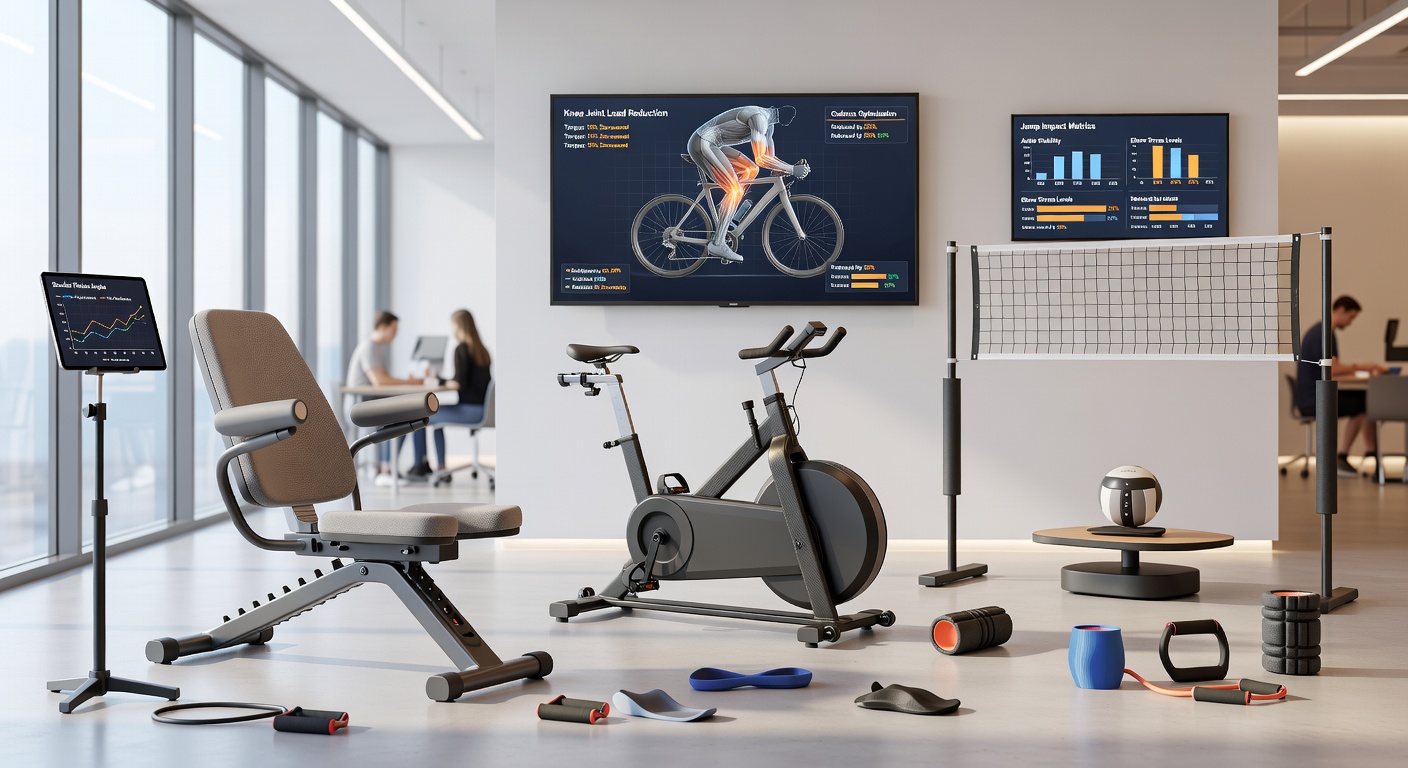
Coaches across these sports increasingly pair equipment changes with wearable sensors that track joint angles and force distribution in real time. Swimmers wear waterproof accelerometers on the upper arm to flag stroke asymmetries before they develop into chronic shoulder issues. Cyclists mount power meters and saddle pressure mats that feed data into apps suggesting mid-ride position tweaks. Volleyball teams review jump count logs alongside landing force metrics collected from court-embedded pressure plates. These monitoring systems allow trainers to intervene early when cumulative stress indicators rise during multi-hour sessions. Figures from a 2025 multi-center trial coordinated by Canadian university researchers reveal that athletes using integrated feedback loops reported fewer training interruptions related to joint discomfort compared with control groups relying on traditional methods alone.
Future Developments and Implementation Patterns
Industry reports project continued refinement of materials such as variable-density foams and flexible composites that adapt to individual movement signatures. Regulatory bodies in the European Union have begun outlining voluntary standards for ergonomic labeling on sports products which could help athletes and coaches identify gear tested for joint load reduction. In May 2026 an international symposium on endurance training ergonomics will convene in Melbourne to share updated protocols drawn from longitudinal studies of elite and recreational participants. The event will feature demonstrations of prototype paddles handlebar systems and court footwear alongside discussion of implementation across different age groups and competition levels. Adoption rates appear highest among programs that combine equipment updates with periodic reassessment of body mechanics rather than one-time fittings.
Conclusion
Ergonomic redesigns continue to evolve through collaboration between equipment developers sports scientists and athletes themselves. Evidence from pressure mapping motion analysis and field trials supports the role these changes play in managing joint stress across swimming cycling and volleyball when training or competition sessions extend for prolonged periods. Continued data collection and cross-sport knowledge sharing will shape the next generation of tools that keep participants active and comfortable through demanding schedules.