Color Psychology's Role in Athletes' Gear Selections for Endurance Runs, Contact Matches, and Racket Play
Lars Schröder · Aug 24, 2026
Color Psychology's Role in Athletes' Gear Selections for Endurance Runs, Contact Matches, and Racket Play
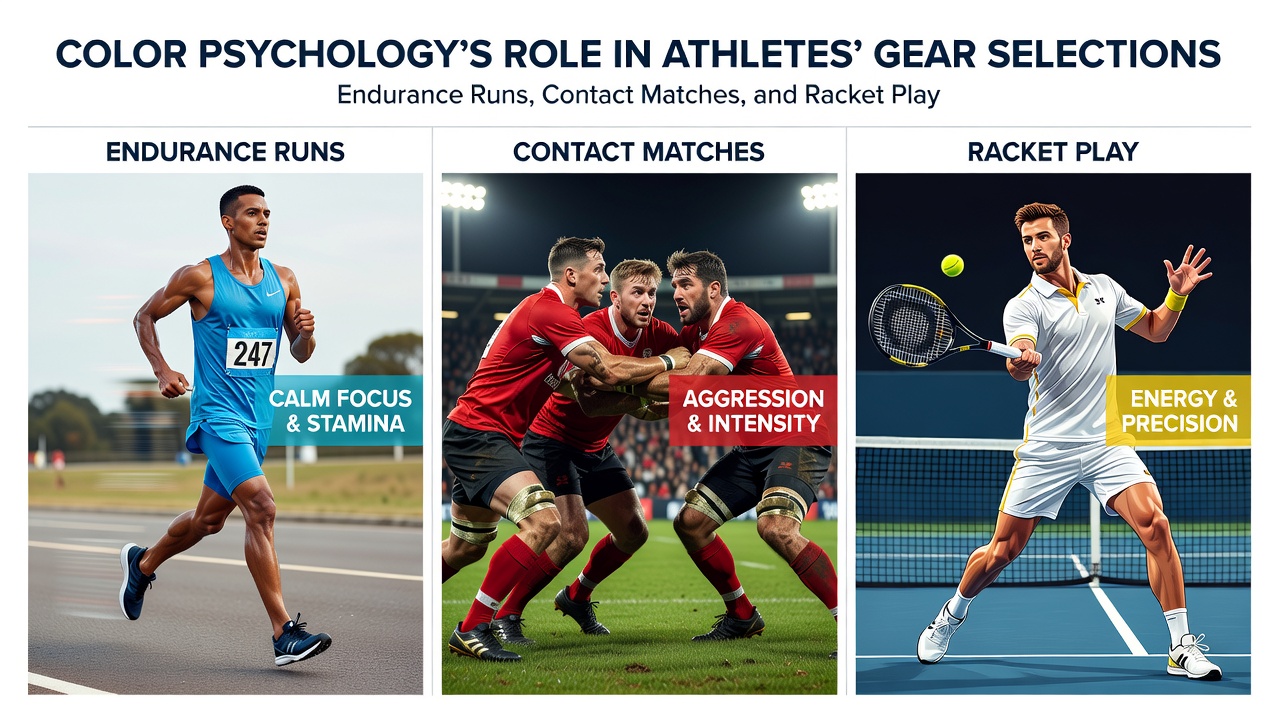
Color choices in athletic equipment extend beyond visual appeal and connect directly to performance factors that researchers have measured across multiple disciplines, including endurance running where shoe and apparel hues influence pacing decisions and perceived effort levels during long-distance events. Studies from institutions like the University of British Columbia have documented how specific wavelengths affect heart rate variability and motivation markers in runners who train over varied terrains.
Endurance Running Applications
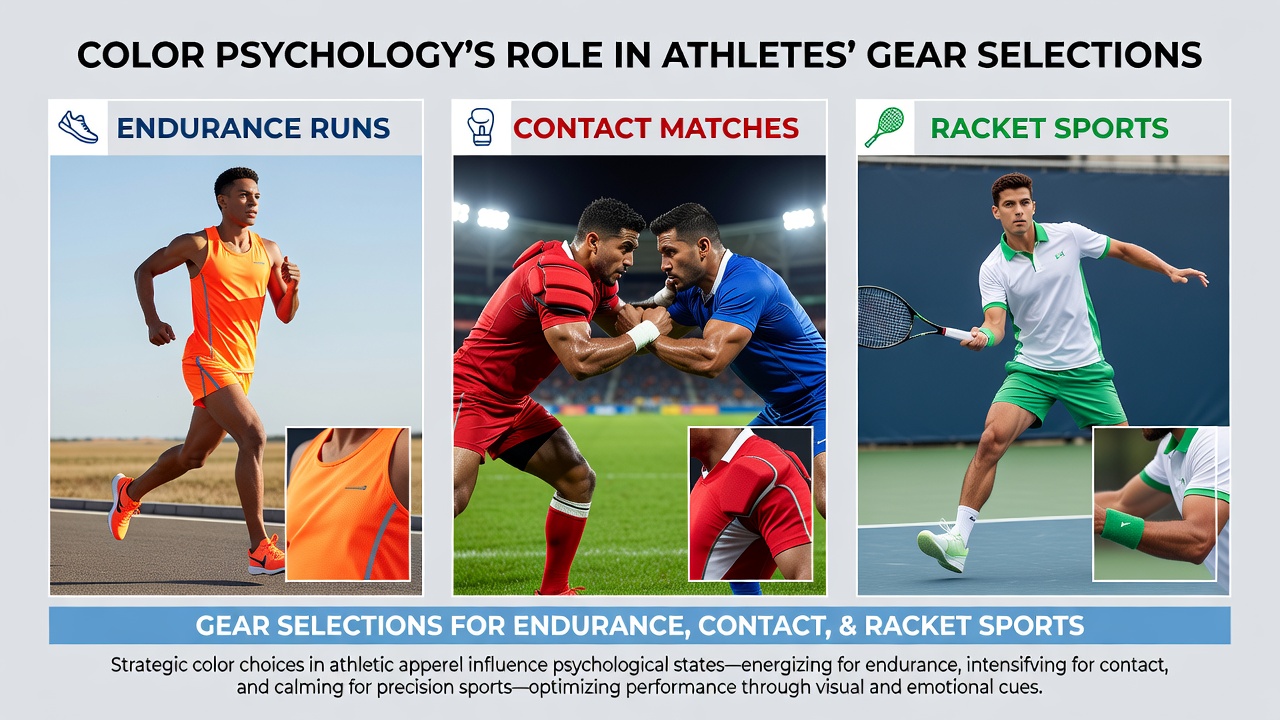
Endurance athletes often select gear colors that align with sustained energy management, and data collected from training logs shows that cooler tones such as blues and greens appear more frequently in footwear and singlets used for events exceeding 10 kilometers because these shades correlate with lower reported fatigue scores in controlled trials. Manufacturers adjust product lines accordingly, incorporating matte finishes on trail shoes that reduce glare during early morning runs while maintaining visibility through reflective accents in contrasting warm hues. As athletes prepare for major competitions slated for August 2026, equipment suppliers continue refining palettes based on feedback from endurance cohorts who report improved focus when their gear maintains consistent color saturation under changing light conditions.
Contact Sport Gear Dynamics
In contact matches, gear selections emphasize colors that signal intensity or provide visual contrast for quick opponent assessment, with red tones appearing regularly on boxing gloves and protective headgear because multiple studies link this hue to heightened arousal states that participants channel into aggressive yet controlled movements. Observers note that teams in sports like rugby or mixed martial arts favor darker navy or black bases paired with bright trim to maintain a unified appearance that supports group cohesion during high-contact exchanges. Equipment standards from regulatory bodies such as those outlined by Sport Integrity Australia require certain visibility thresholds, which in turn shapes how color combinations get approved for competition use without compromising psychological signaling.
Racket Sport Implementations
Racket players choose frame and grip colors that support precision and calm decision-making, with lighter shades like white or pale yellow documented in professional circuits for reducing visual distraction against court backgrounds during extended rallies. Research published through the European College of Sport Science indicates that these selections help maintain steady grip pressure and stroke consistency, particularly when strings feature subtle gradient patterns that players track visually for spin control. Customization options now allow athletes to test multiple color variants in practice sessions before finalizing gear for tournaments, and this iterative process reveals patterns where certain players gravitate toward earth tones for outdoor clay surfaces while others prefer high-contrast accents indoors.
Research Integration and Material Factors
Material science teams combine color psychology findings with practical fabric treatments, resulting in dyes that resist fading while preserving intended psychological effects across repeated wash cycles and exposure to sweat or weather elements. Those who study athlete behavior report that gear color consistency matters during multi-day events because shifts in appearance can subtly alter self-perception and strategic choices mid-competition. Supply chain adjustments ensure that regional preferences get accommodated, such as brighter palettes favored in warmer climates where visibility aids both safety and mental readiness for endurance, contact, and racket disciplines alike.
Conclusion
Color selections in athletic gear reflect measurable psychological influences that researchers continue to quantify across endurance runs, contact matches, and racket play, guiding manufacturers toward evidence-based options that support performance variables without introducing unnecessary variables into training or competition environments. Athletes and support staff integrate these insights during equipment trials, leading to refined choices that align visual properties with the demands of each sport.